Writing Systems to Create CultureWriting Systems to Create Culture

All human cultures and civilizations were built on a foundation of writing systems.
The power of writing has been tremendous in the process of creation and destruction.
Writing has shown itself to be a great force that brings old eras to an end and calls forth new ones.
Humanity brought forth a communication revolution with writing and used it as a foundation to constantly reform social systems.
The most brilliant communication revolution of humanity began with the popularization of writing based on printing technology.
Books could be reproduced infinitely with the invention of the printing press.
As books became closer to people, they were increasingly translated and recorded.
There could no longer be a minority of authority and privilege.
The hidden force that supported civilization was paper.
The increasing demand for books had to be met by paper alone.
Improvements in fonts were also made to contain as much information as possible on limited surfaces and make it easy for people to read books.
Printing led to the popularization of human knowledge, translation led to its spread and sharing, and recording led to its transmission.
Media and fonts reflect the technology of an era and drive the present and future of writing.
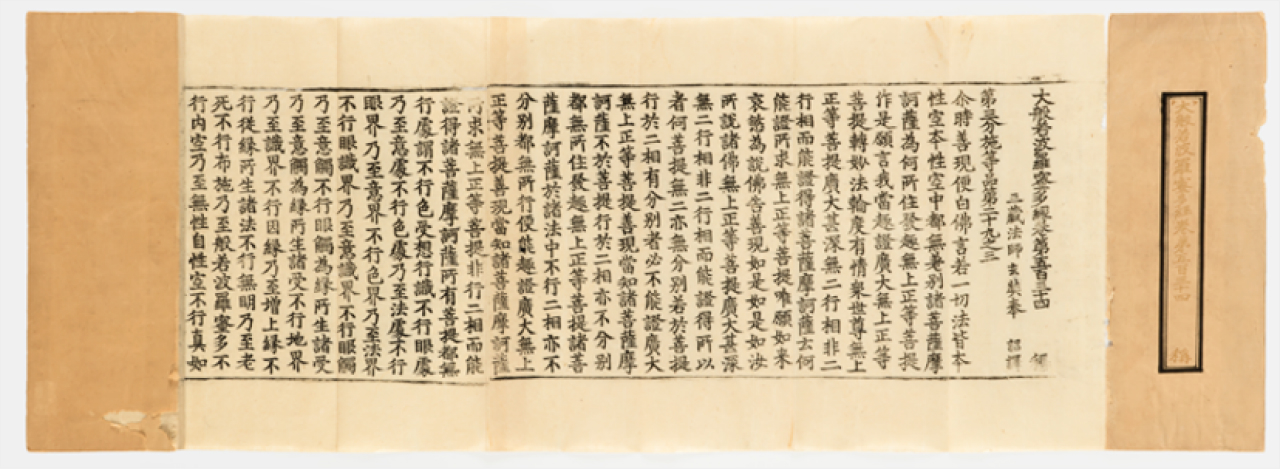
the Goryeo Dynasty from 1239 onwards
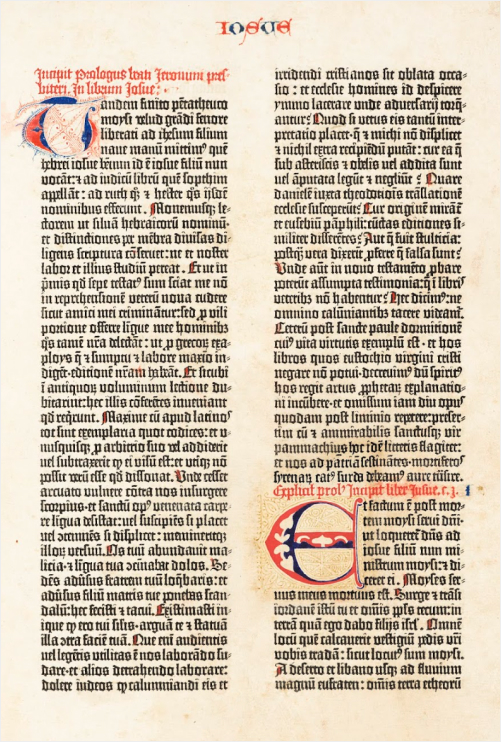
Germany, around 1454
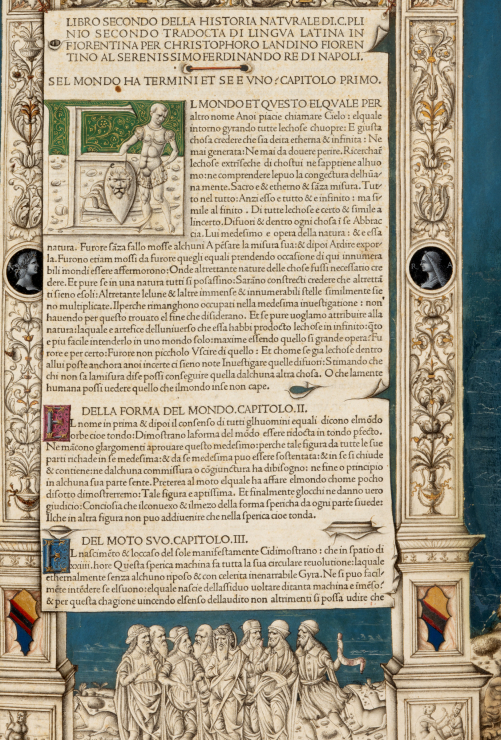
1476

the 18th to 19th century

around 1740
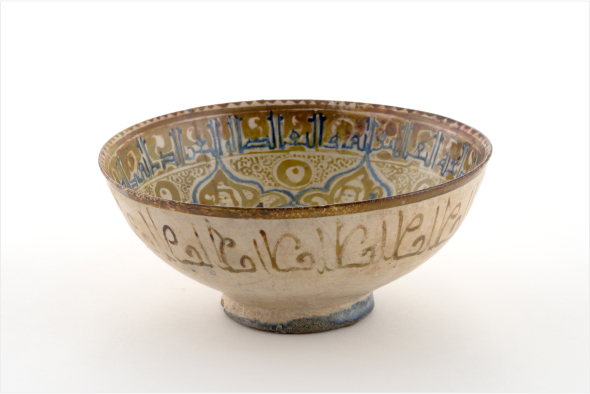
the 13th century
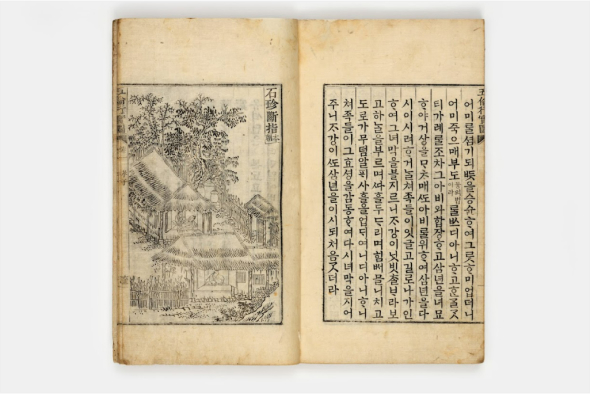
the Joseon Dynasty in 1797