Writing Systems to Build RoadsWriting Systems to Build Roads
Writing Systems to Build Roads
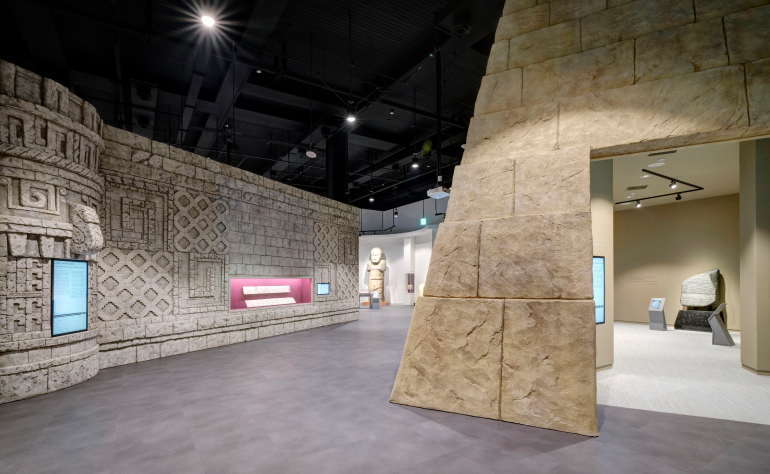
Writing is humanity's greatest invention.
Surprisingly, scattered throughout the world, humanity has created or adopted its own writing systems suited to particular environments, with only time separating them.
Based on this great invention, humanity has founded brilliant paths of culture and civilization.
Along with the rise and fall of culture, writing has been created and destroyed constantly.
Writing systems that could not adapt to changing environments disappeared, and new systems took their place.
Some writing systems had particularly strong communicative power, spreading to other regions.
Cultural competence or strong vitality helped a few writing systems spread further.
Sometimes, political relationships of domination and subjugation or religious beliefs heightened communicative power.
Trade also spurred the spread of writing.
As a result, Europe adopted Latin script, Southwest Asia adopted Arabic script, India adopted Devanagari-based scripts, and East Asia adopted Chinese characters and Hangul.
Historically, humans have used over 400 writing systems, but currently, only about 30 are in use.
In the timeline of ancient writing systems, Hangul was created relatively recently, but it still maintains its vitality.
It is a highly original writing system and a foundation of Korean culture.
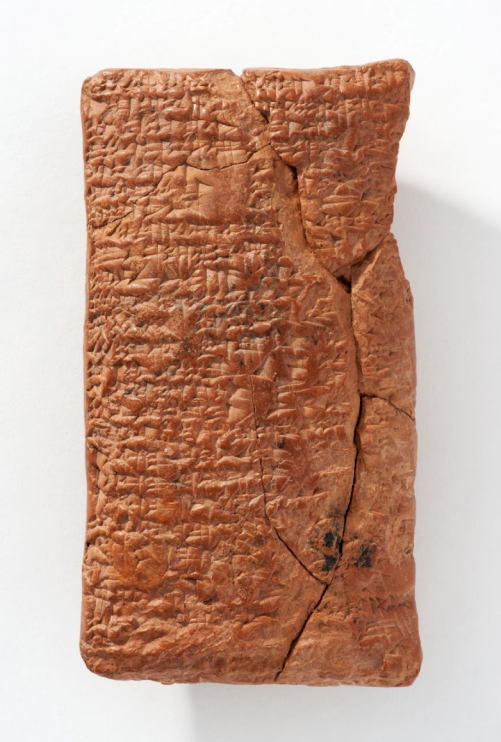
from 2000 BC to 1600 BC
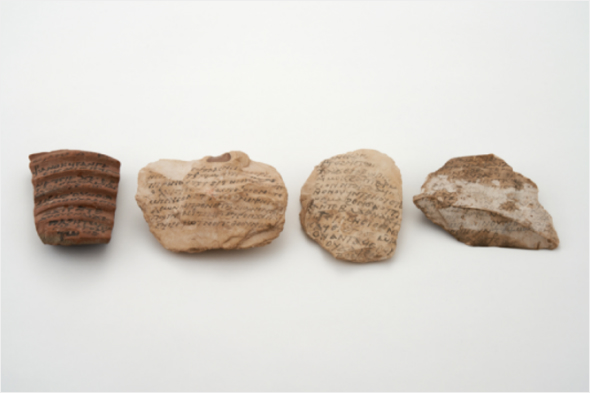
the 7th to 8th century
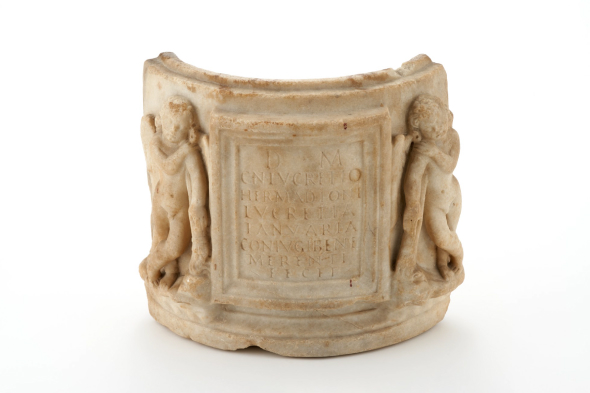
the 1st to 2nd century
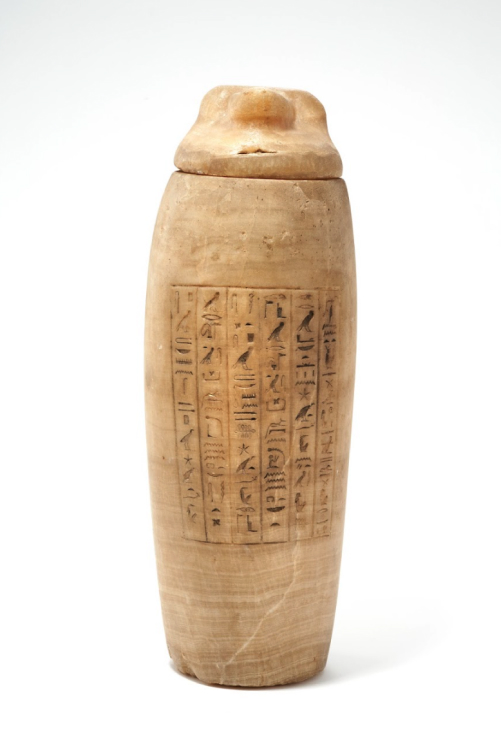
around 664 BC to 525 BC
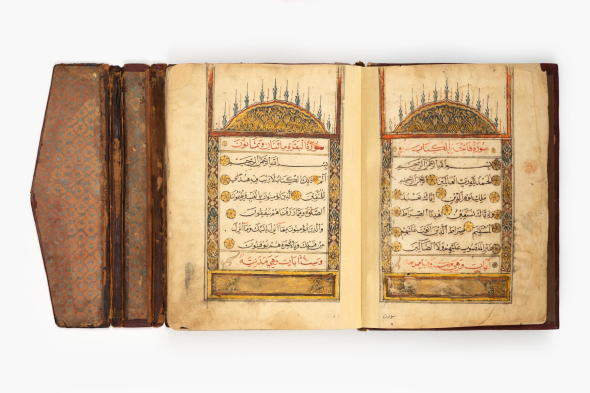
1300 to 1330
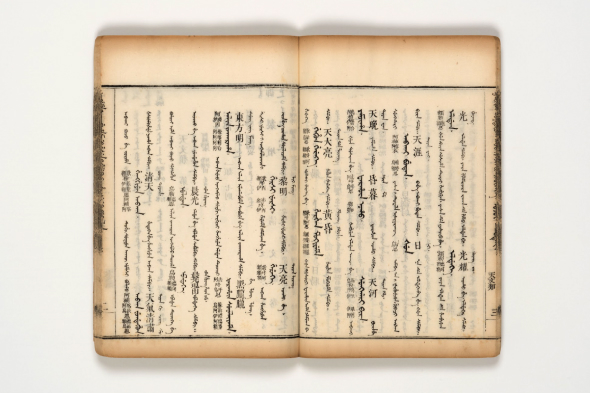
1771
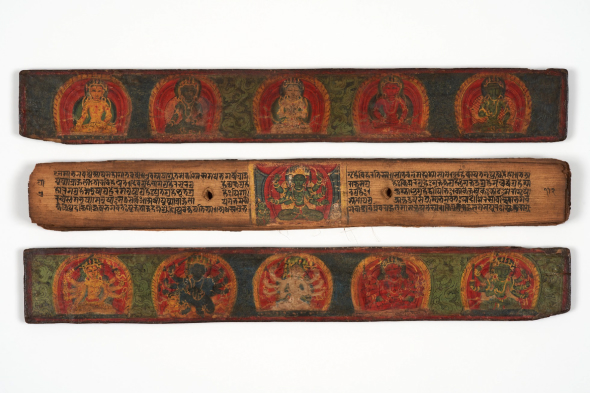
1397
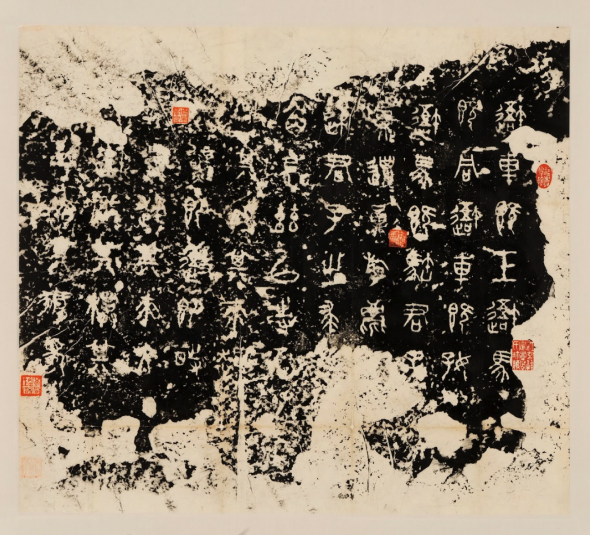
rom the 5th to 3rd century BC and in the late Qing Dynasty (1616-1912)